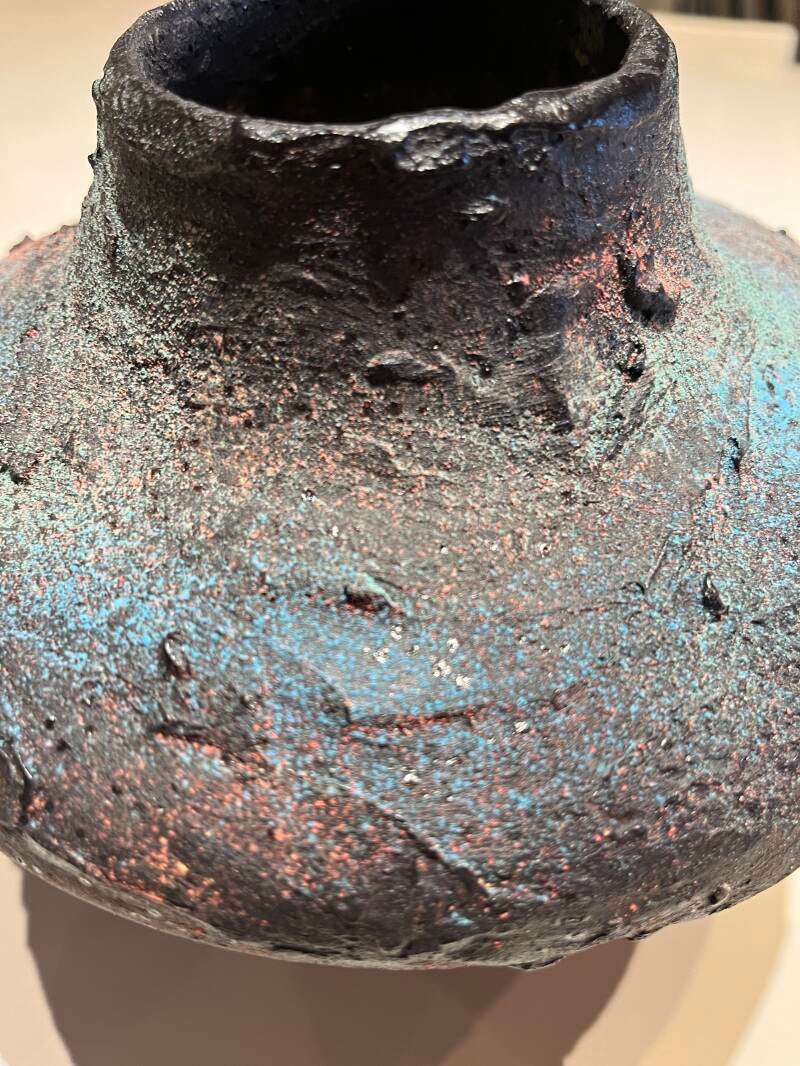
Pigmented EPK Kaolin–Glaze Sculptural Medium
Research objective
Investigate the combination of EPK kaolin, glaze and ceramic pigments to develop a malleable, three-dimensional ceramic medium that can be sculpted, layered, textured and manipulated before firing.
The intention is to develop a material that sits somewhere between a clay body, a textured engobe and a glaze, where colour becomes an integral part of the sculptural structure rather than simply a surface decoration.


1. Initial line-blend experiments
Investigate the relationship between EPK kaolin and a transparent glossy glaze base.
All measurements are in grams of dry material.
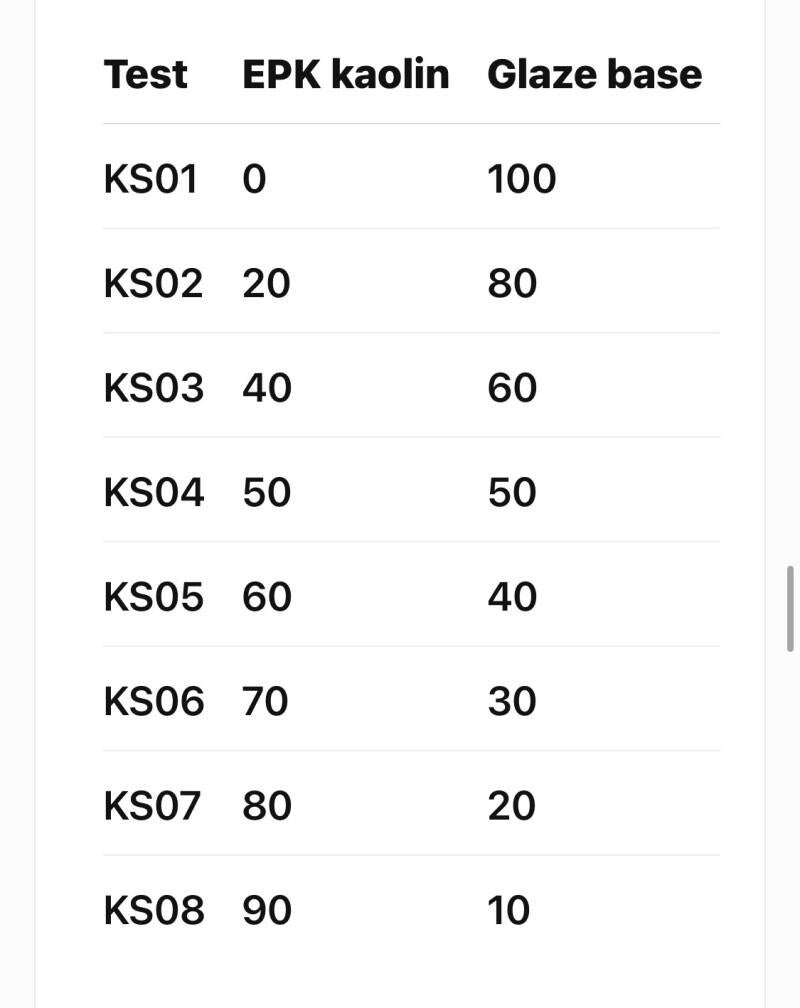
Repeat the most successful mixtures using a matte glaze base.
2. Pigment incorporation
Once suitable base mixtures have been established, investigate the incorporation of ceramic pigments, stains and metal oxides.
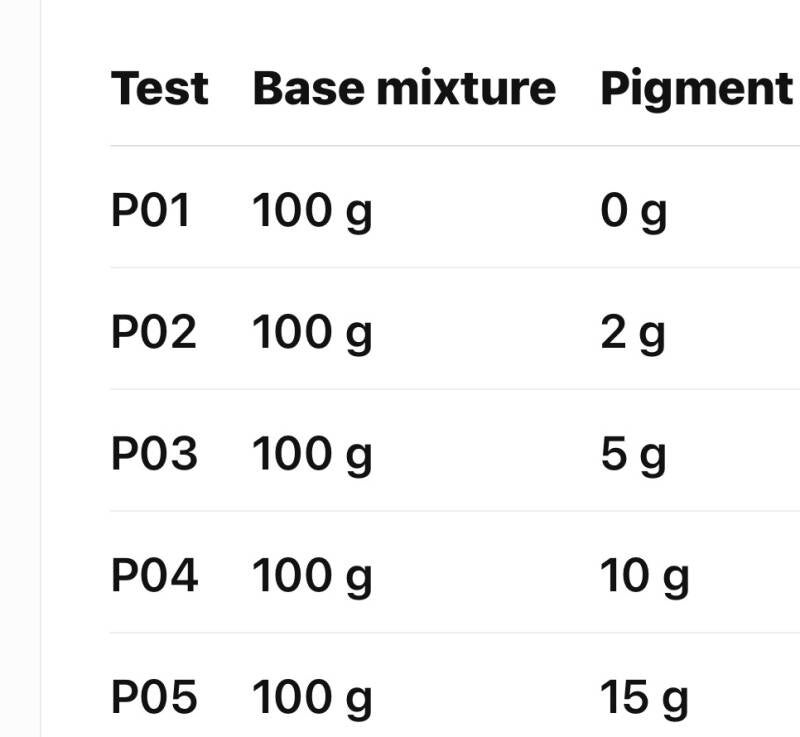
Investigate:
- Colour saturation and intensity.
- Pigment stability at high temperatures.
- Interaction between pigments and glaze chemistry.
- Influence of pigments on melting behaviour.
- Development of matte, satin and glossy surfaces.
- Combining differently pigmented mixtures within a single sculptural composition.
3. Sculptural application techniques
- Thick impasto applications.
- Palette knife manipulation.
- Extrusion and piping.
- Sculptural relief.
- Layering and folding.
- Carving and incising.
- Controlled cracking and fragmentation.
- Geological and organic surface formations.
- Combining contrasting colours and textures.
- Three-dimensional ceramic painting.
4. Technical testing
Investigate the following variables:
- Application thickness: 1 mm, 3 mm, 5 mm and 10 mm.
- Application onto leather-hard, bone-dry and bisque-fired clay.
- Raw EPK versus combinations of raw and calcined kaolin.
- Water content and working consistency.
- Plasticity and sculptural workability.
- Drying shrinkage.
- Adhesion to the underlying clay body.
- Structural stability during firing.
- Retention of sculptural details.
- Melting, bubbling, crawling and cracking.
- Fired strength and surface durability.
- Firing temperatures between 1235°C and 1240°C.
Use witness cones and protective kiln catch tiles during experimental firings.
5. Raw versus calcined kaolin
Investigate the partial replacement of raw EPK kaolin with calcined kaolin to reduce drying shrinkage, cracking and separation from the underlying ceramic surface.
Establish a balance between plasticity, structural stability, adhesion and fired surface quality.
6. Artistic applications
Explore the potential application of this material within:
- P.O.D.S.
- Protest Cubes.
- Wall Spheres.
- Abstract Berkelland landscapes.
- Sculptural wall panels.
- Three-dimensional ceramic paintings.
- Large-scale ceramic sculptures.
- Mixed-texture ceramic installations.
7. Documentation
Record each experiment according to:
- Recipe and material percentages.
- Pigment type, manufacturer and concentration.
- Water addition.
- Application method and thickness.
- Clay body and application stage.
- Drying behaviour.
- Firing temperature and schedule.
- Photographs before and after firing.
- Surface characteristics.
- Structural stability.
- Artistic potential.
- Recommendations for further development.
Long-term research goal
Develop an innovative, pigmented ceramic sculptural medium comparable to impasto oil paint, allowing colour, texture and three-dimensional structure to become inseparable elements of the artwork.
The ultimate objective is to establish a personal material vocabulary in which ceramic colour is not merely applied to a surface but becomes the sculptural surface itself.
Research status: Experimental. All proposed formulations require studio testing and validation. Initially intended for non-functional sculptural and artistic applications.